- 111e9db9-61fa-4423-922c-5db984c34a5f (1).jpg (287.64 KiB) Viewed 3615 times
Grecian White/Apache Red 225
-
Craig Allardyce
- Posts: 1568
- Joined: Sun Aug 07, 2011 7:26 pm
- State: VIC
- Location: Stratford
Re: Grecian White/Apache Red 225
Getting close to going on the dyno. New crank damper fitted up and primed oil system. Working through port matching with the new manifold gasket.
Re: Grecian White/Apache Red 225
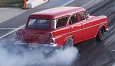
That oil filter cover looks awesome.
Cheers,
Harv
Cheers,
Harv
327 Chev EK wagon, original EK ute for Number 1 Daughter, an FB sedan meth monster project and a BB/MD grey motored FED.
-
Craig Allardyce
- Posts: 1568
- Joined: Sun Aug 07, 2011 7:26 pm
- State: VIC
- Location: Stratford
Re: Grecian White/Apache Red 225
Thanks Harv.
Had to keep with the fin theme.
Had to keep with the fin theme.
-
Craig Allardyce
- Posts: 1568
- Joined: Sun Aug 07, 2011 7:26 pm
- State: VIC
- Location: Stratford
Re: Grecian White/Apache Red 225
Finished the port matching check. All good but had to go to the card style gasket due to insufficient material in the composite style gasket.
Currently working on a support bracket for the fuel filter and cleaning up the air cleaner housings. Also my OCD has made a start on polishing stuff again.
Currently working on a support bracket for the fuel filter and cleaning up the air cleaner housings. Also my OCD has made a start on polishing stuff again.
- cc8f2689-0519-4a07-8608-65a6cc260ef0.jpg (208.44 KiB) Viewed 3538 times
- 3d0dc7a3-ad94-40a2-8a8e-eaf7b33e7921.jpg (143.49 KiB) Viewed 3538 times
- 515b1213-0a21-4e1c-b557-c847166f607b.jpg (146.32 KiB) Viewed 3538 times
Re: Grecian White/Apache Red 225
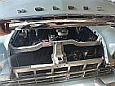
Have you gone to HIF6 carbys Craig?
FB ute fixer upper, EK van on rotisserie
FB ute fixer upper, EK van on rotisserie
getting my FB ute on the road
EK van on rotisserie
EK van on rotisserie
Re: Grecian White/Apache Red 225
Polishing SU suction chambers has sent more than one Englishman stark raving madCraig Allardyce wrote: Thu Oct 23, 2025 9:19 pm Also my OCD has made a start on polishing stuff again.
 They do look good once done though. Just got to keep the heat out of them so they still pass the piston drop test once reassembled.
Cheers,
Harv
327 Chev EK wagon, original EK ute for Number 1 Daughter, an FB sedan meth monster project and a BB/MD grey motored FED.
Re: Grecian White/Apache Red 225
My OCD would make me trim back the composite gasket.. or externally port match it.
Sent from my iPhone using Tapatalk
Sent from my iPhone using Tapatalk
-
Craig Allardyce
- Posts: 1568
- Joined: Sun Aug 07, 2011 7:26 pm
- State: VIC
- Location: Stratford
Re: Grecian White/Apache Red 225
Errol62 wrote: Thu Oct 23, 2025 10:55 pm Have you gone to HIF6 carbys Craig?
No. They were HIF44's when I first fitted the SU's but went down to HIF38's.
FB ute fixer upper, EK van on rotisserie
-
Craig Allardyce
- Posts: 1568
- Joined: Sun Aug 07, 2011 7:26 pm
- State: VIC
- Location: Stratford
Re: Grecian White/Apache Red 225
I've never had heat issues causing warpage but have had the odd chamber go flying when I was being too aggressive and impatient.Harv wrote: Fri Oct 24, 2025 12:07 amPolishing SU suction chambers has sent more than one Englishman stark raving madCraig Allardyce wrote: Thu Oct 23, 2025 9:19 pm Also my OCD has made a start on polishing stuff again.
Cheers,
Harv
-
Craig Allardyce
- Posts: 1568
- Joined: Sun Aug 07, 2011 7:26 pm
- State: VIC
- Location: Stratford
Re: Grecian White/Apache Red 225
Don't worry, I've been looking at that...........................gledge wrote: Fri Oct 24, 2025 11:24 pm My OCD would make me trim back the composite gasket.. or externally port match it.
Sent from my iPhone using Tapatalk
-
Craig Allardyce
- Posts: 1568
- Joined: Sun Aug 07, 2011 7:26 pm
- State: VIC
- Location: Stratford
Re: Grecian White/Apache Red 225
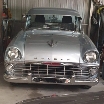
Finished off a few things that needed polishing and a bracket for the fuel pressure regulator. Yes my OCD had me trim up the manifold gasket too. Hopefully test run next week and bedding in cam, then home for run time and tuning on the dyno.
- bc420de0-e430-47ba-9601-83b523872a5c.jpg (236.38 KiB) Viewed 3429 times
- 7a47ecc7-cdde-444c-948c-01ace9e83ffc.jpg (268.55 KiB) Viewed 3429 times
- 0a5caf14-7705-4638-b44e-f23ec24f482f.jpg (287.96 KiB) Viewed 3429 times
Re: Grecian White/Apache Red 225
Craig, I am interested in your placement of the Malpassi filter/ regulator. Is vapourisation a potential issue with the glass bowl above exhaust?
Sucker for a rusty bomb
-
Craig Allardyce
- Posts: 1568
- Joined: Sun Aug 07, 2011 7:26 pm
- State: VIC
- Location: Stratford
Re: Grecian White/Apache Red 225
No, I've never suffered any vapor lock issues with this set up. Under bonnet temps are pretty low and there's plenty of air flow and distance from the exhaust. It's actually way further away from the exhaust manifold than the standard set up.Brett027 wrote: Fri Nov 07, 2025 6:48 pm Craig, I am interested in your placement of the Malpassi filter/ regulator. Is vapourisation a potential issue with the glass bowl above exhaust?
-
Craig Allardyce
- Posts: 1568
- Joined: Sun Aug 07, 2011 7:26 pm
- State: VIC
- Location: Stratford
Re: Grecian White/Apache Red 225
Sorry mate, I didn't answer your question. I ran 1 3/4 HIF's after ditching the Weber, but changed to 1 1/2 HIF's a while back.Errol62 wrote: Thu Oct 23, 2025 10:55 pm Have you gone to HIF6 carbys Craig?
FB ute fixer upper, EK van on rotisserie
Re: Grecian White/Apache Red 225
Thanks Craig. 1 1/2” seems to be the tried and true number for the greys. I would very much like to get my hands on a trio of the later 1 3/4 or maybe 2” for the 12 port going in my van, now I am on to a source for a proper 12 port manifold.
FB ute fixer upper, EK van on rotisserie
FB ute fixer upper, EK van on rotisserie
getting my FB ute on the road
EK van on rotisserie
EK van on rotisserie